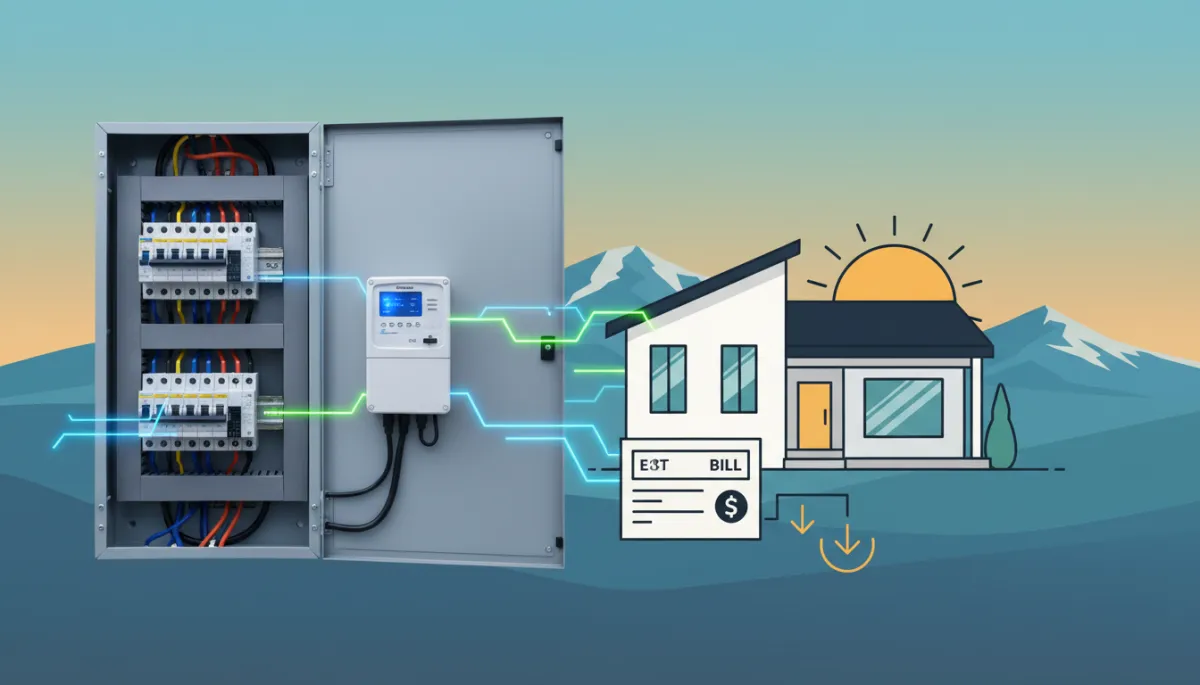
Smart Electrical Panel Upgrades for Energy Savings
Home Improvement, Electrical Upgrades, Energy Efficiency
5 Smart Electrical Panel Upgrades to Help Lower Monthly Energy Bills
If you live in Littleton, Colorado or a nearby community, you’ve probably noticed energy costs creeping up year after year. While insulation and efficient appliances matter, your home’s electrical panel and wiring play a bigger role in energy efficiency and safety than most homeowners realize. Here are five smart, practical electrical panel upgrades that can help you use power more efficiently, improve safety, and keep a closer eye on your monthly bills—along with how Falls Electric Service can help you plan and install them correctly.
1. Upgrade to a Smart Electrical Panel for Real-Time Energy Monitoring
A traditional breaker panel simply turns circuits on or off. A smart electrical panel goes much further by tracking how much electricity each circuit is using and sending that information to a phone app or web dashboard. According to the U.S. Department of Energy, smart panels are increasingly important tools for real-time monitoring and home energy management as utilities and cities push for more efficient, lower-carbon homes by 2026 and beyond (energy.gov).
With a smart panel, you can spot which rooms, appliances, or systems are driving your bill, set alerts when usage spikes, and sometimes even shut off specific circuits remotely. While a smart panel by itself doesn’t guarantee lower bills, it gives you the detailed information you need to make smart changes like adjusting thermostat schedules, replacing an inefficient appliance, or shifting usage away from peak times if your rate plan rewards that behavior.
Pro Tip: Some Colorado and federal rebate programs include incentives for electrical panel upgrades when they support electrification projects. A licensed electrician can help you document the work for potential rebates.
2. Increase Panel Capacity to Support Efficient, All-Electric Equipment
If your panel is maxed out, you may be stuck running older gas or resistance-electric equipment that uses more energy than newer options, or you might be daisy-chaining circuits in ways that hurt both efficiency and safety.
Upgrading to a 200-amp panel (or higher, where appropriate) doesn’t lower your usage on its own, but it opens the door to more efficient technology like high-efficiency heat pumps and heat pump water heaters that can qualify for state and utility rebates. Colorado programs such as Energy Smart Colorado’s EECBG rebates have specifically identified panel upgrades as eligible when they enable electrification improvements. A properly sized panel also runs cooler and is less likely to be overloaded, which improves safety and can extend the life of your electrical components.
3. Add Dedicated Circuits and Correct Overloaded Wiring
In many older homes, kitchens, bathrooms, and basements have been updated over the years without a full electrical redesign. It’s common to see too many outlets on one breaker, space heaters sharing circuits with electronics, or refrigerators tied into general lighting circuits. These overloaded circuits can cause nuisance tripping, voltage drops that waste energy, and in worst cases, overheating and fire risk.
Adding dedicated circuits for large appliances such as refrigerators, freezers, microwaves, sump pumps, and EV charger. It keeps loads balanced and wiring properly sized. While the savings from this upgrade are usually modest, the improvement in safety and reliability is significant, especially during Colorado’s winter when heaters and holiday lighting push your system harder. A local electrician like Falls Electric Service can evaluate your panel, map your circuits, and recommend where dedicated lines will make the biggest impact.
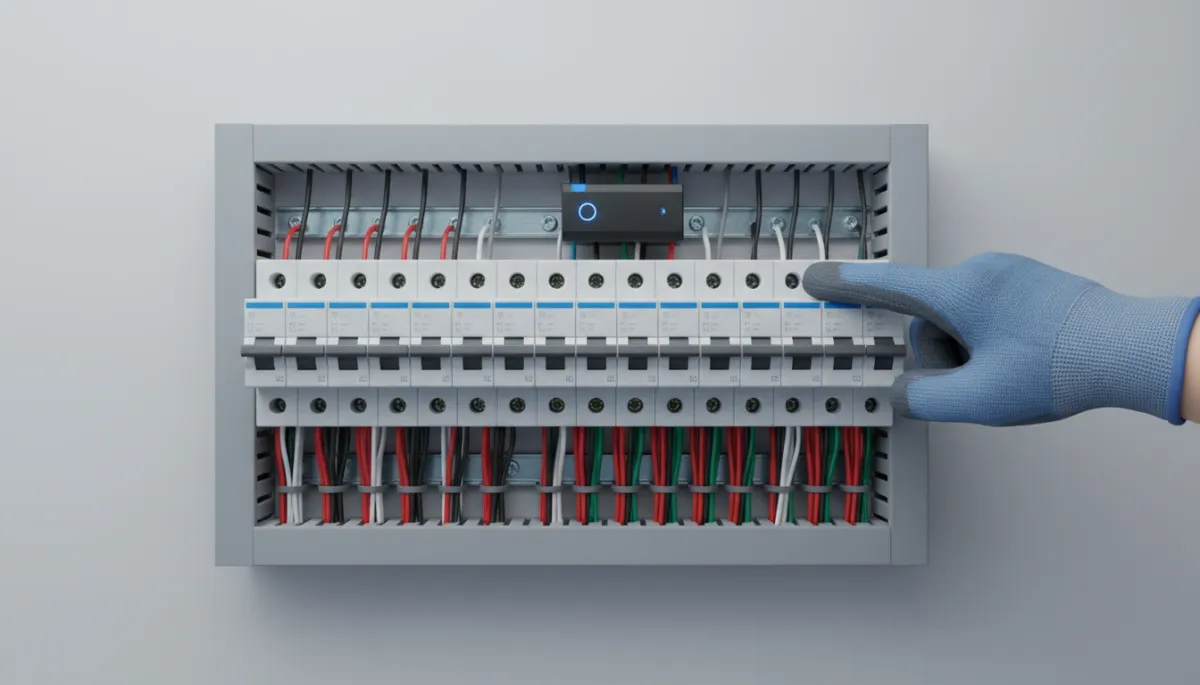
A well-organized, upgraded panel improves safety and makes future energy projects easier.
4. Install AFCI and GFCI Protection for Safer, More Reliable Circuits
Modern electrical codes require arc-fault circuit interrupter (AFCI) and ground-fault circuit interrupter (GFCI) protection in many parts of the home. AFCI breakers are designed to detect dangerous arcing—often caused by damaged wires or loose connections—before it becomes a fire. GFCI devices protect against shock in areas with moisture, like bathrooms, kitchens, garages, and outdoor outlets.
While these upgrades are primarily about safety, they can also contribute indirectly to energy efficiency. Faulty wiring and poor connections can generate heat instead of useful work, wasting electricity. By bringing your panel up to current protection standards, you reduce the risk of hidden issues that can damage appliances or cause costly downtime—both of which can lead to higher long-term energy and repair costs. A licensed electrician can often retrofit AFCI and GFCI breakers into your existing panel as part of a broader upgrade.
5. Integrate Solar, Battery Storage, and Load Management
Littleton’s sunny climate makes rooftop solar an attractive option for many homeowners, and Colorado’s push toward lower-energy, lower-carbon homes means more residents are considering solar, batteries, or both. A modern panel upgrade can make it easier to safely connect solar inverters, battery storage, and backup generators, as well as manage how those sources interact with your home and the grid.
Smart panels and compatible subpanels can prioritize essential loads during an outage—like your refrigerator, heating system, or medical equipment—while temporarily shedding non-essential circuits. Over time, this kind of load management can help you make the most of any solar or battery investment and may reduce the amount of backup capacity you actually need to buy. Again, it doesn’t guarantee a specific dollar amount of savings, but it helps your whole electrical system work together more intelligently.
Why Work with a Local Electrician Like Falls Electric Service?
Electrical panel upgrades are not DIY projects. They involve permits, coordination with your utility (often Xcel Energy or the City of Littleton’s electric service, depending on your address), and strict code requirements. A local, licensed electrician who works in Littleton and the surrounding communities every day understands:
Local building codes and inspection processes
How to size panels and circuits for Colorado’s climate and typical home layouts
Which rebates or incentive programs may apply to your project
Taking the Next Step Toward a Smarter, Safer Electrical System
No single electrical upgrade will magically slash your monthly bill, but thoughtful improvements to your panel and wiring can support a more efficient, resilient home. By combining real-time energy monitoring, the right capacity, safer circuits, and future-ready connections for solar or batteries, you put yourself in a strong position to take advantage of both current and upcoming energy programs in Littleton and across Colorado.
While choosing the right electrician is key to ensuring safe and efficient upgrades, homeowners in Bribie Island trust electrician Bribie Island for their expertise
If you’re curious what’s possible in your home, consider scheduling a professional electrical panel assessment. Falls Electric Service can walk you through your options, explain which upgrades are most practical for your situation, and help you prioritize projects that improve safety while supporting long-term energy efficiency and smarter energy monitoring.
